Urban Sociology

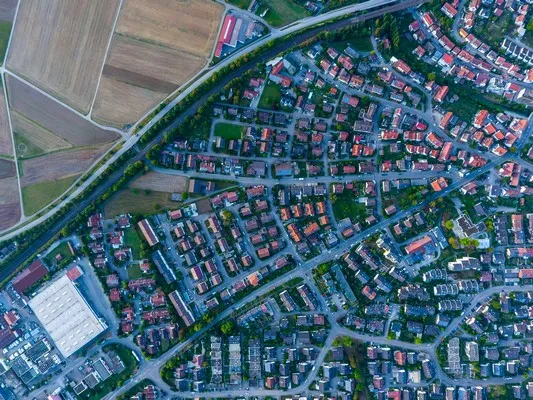
Urban sociology is a specialized field within sociology that examines the social structures, processes, and changes in urban areas. It explores the complex interactions between people, institutions, and the built environment, focusing on how urbanization impacts social relationships, cultural norms, and community dynamics. Urban sociologists investigate a range of topics, including housing, migration, social stratification, urban policy, and the effects of globalization on cities. By understanding the socio-economic forces shaping urban life, they provide critical insights into issues like inequality, segregation, and urban resilience. This field is essential for policymakers, urban planners, and researchers seeking to create more inclusive, sustainable, and vibrant urban spaces. Whether analyzing the rise of smart cities or the persistence of urban poverty, urban sociology offers valuable perspectives on the challenges and opportunities of contemporary urbanization. Explore the latest research and theories in urban sociology to better comprehend the evolving dynamics of city life and their broader societal implications.

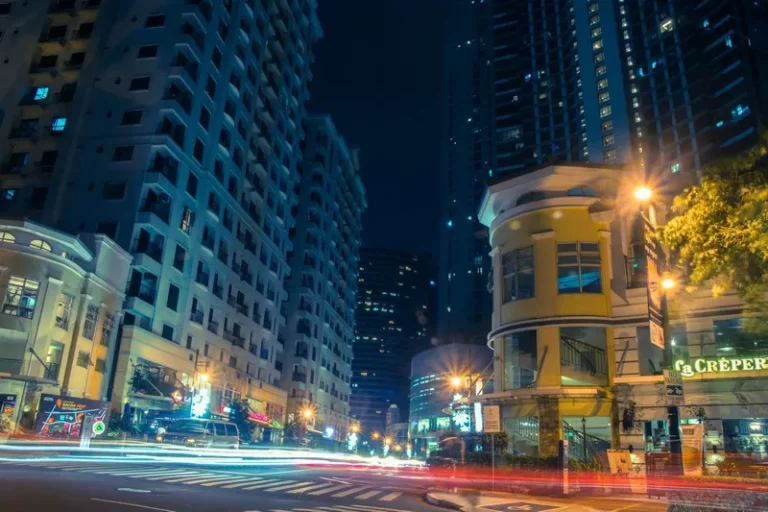
A metropolitan area in a a city at night

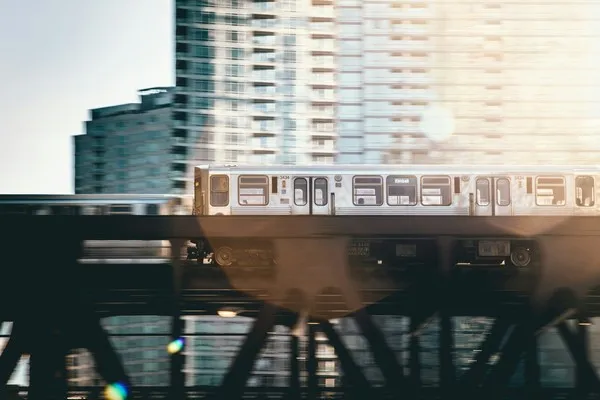
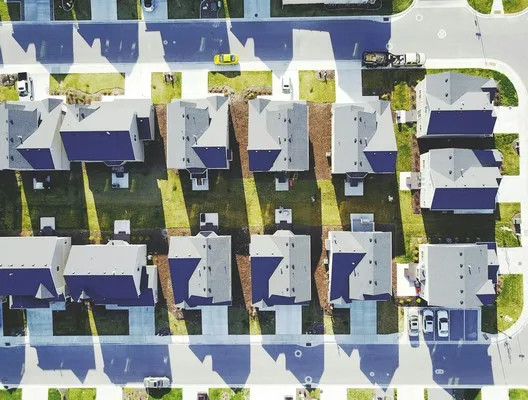
Metropolitan Areas

Introduction to Metropolitan Areas In modern sociology, metropolitan areas are essential units of study, reflecting complex and evolving urban ecosystems. Broadly, a metropolitan area refers to a large population center—often a city and its surrounding regions—where economic, cultural, and social…
Read MoreMetropolitan Areas
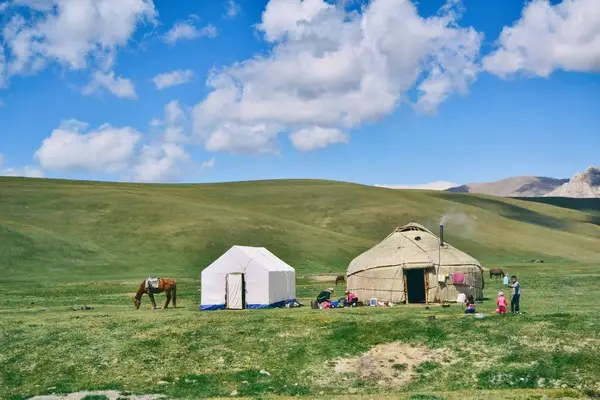
A nomad yurt in a green field on a sunny day

Rural Sociology

Introduction to Rural Sociology Rural sociology is a subfield of sociology that focuses on the study of social structures, relationships, and processes in rural areas. It encompasses a broad range of topics, including agriculture, rural-urban migration, rural poverty, and the…

Read MoreRural Sociology
×