Functionalism

Welcome to our Sociology Perspective of Functionalism category! At EasySociology, we aim to provide you with a deep understanding of the functionalist approach within sociology and how it shapes our perspective on society. Functionalism is a theoretical framework that emphasizes the interdependence of various social institutions and their contributions to the overall stability and functioning of society. By examining institutions such as education, family, religion, and government, functionalists observe how these institutions work together to maintain social order and equilibrium. In this category, you will find a range of articles, discussions, and insights into the fundamental concepts, key thinkers, and contemporary developments within the functionalist perspective. Our expert contributors delve into the ways in which these perspectives have evolved over time and its relevance in understanding social structures and behaviors. We explore various dimensions of functionalism, including its origins, basic tenets, and assumptions. By analyzing the functionalist approach, we examine issues such as social integration, social control, social stability, and the centrality of social institutions. Additionally, we delve into debates and criticisms surrounding functionalism, offering a comprehensive understanding of its strengths and limitations. Whether you are a student, researcher, or simply interested in sociology, this category provides a valuable resource for developing your understanding of the functionalist perspective. You will find detailed explanations of important concepts, real-world examples, and thought-provoking discussions that encourage critical thinking.

Black and white profile view of emile durkheim

Main Functionalist Theorists and Their Contributions in Sociology

Functionalism, as a theoretical perspective in sociology, emphasizes the way in which the parts of a society are structured to maintain its stability. This perspective sees society as a complex system whose parts work together to promote solidarity and stability. Prominent sociologists have contributed significantly to the development of functionalism, each bringing unique insights that have shaped the field. This essay outlines and explains the contributions of the main functionalist theorists in sociology, focusing on their key concepts and theoretical innovations.

Emile Durkheim: The Foundation of Functionalism

Social Facts and Collective Conscience

Emile Durkheim is often regarded as the father of functionalism. His pioneering work laid the foundation for the functionalist perspective in sociology. Durkheim introduced the concept of "social facts," which are the norms, values, and structures that exist independently of individuals and constrain their behavior. Social facts, according to Durkheim, are essential for understanding the functioning of society.

Durkheim's notion of the "collective conscience" refers to the set of shared beliefs and moral attitudes that operate as a unifying force within society. This collective conscience is crucial for social integration and cohesion. Durkheim argued that a strong collective conscience binds individuals together, creating

Read MoreMain Functionalist Theorists and Their Contributions in Sociology
A family standing in the street

The Functionalist View of Family in Sociology

The functionalist perspective in sociology provides a unique lens through which to understand the role and significance of the family in society. This blog post explores the functions of the family according to functionalism, including reproduction and socialization, economic support, emotional support, social control, and status placement.

Read MoreThe Functionalist View of Family in Sociology
two hands of a metal religious statue praying

The Functionalist View of Religion in Sociology

Learn about functionalism, a sociological perspective that examines the functions and roles of various institutions in society. This article focuses on the functionalist view of religion, highlighting its key concepts and ideas. Discover how religion contributes to social cohesion, social control, emotional support, socialization, and cultural integration.

Read MoreThe Functionalist View of Religion in Sociology
A police car in new york crime and deviance

The Functionalist View of Crime in Sociology

Learn about the functionalist perspective on crime and deviance in society. Understand the functions of crime, such as boundary-setting, social change, social solidarity, and tension release. Explore the critiques of the functionalist perspective and the limitations of this viewpoint. Gain valuable insights into the role of deviance in maintaining social order and stability.

Read MoreThe Functionalist View of Crime in Sociology
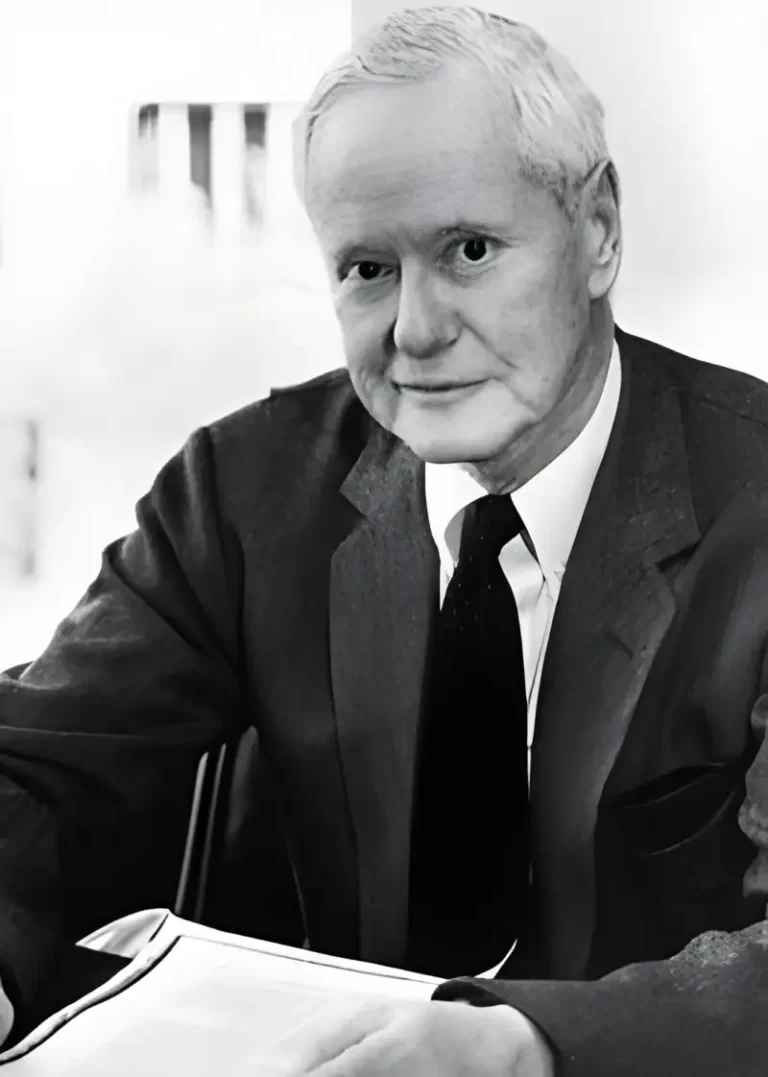
Robert K Merton

Robert Merton and His Contributions to Sociology

Learn about the life and contributions of Robert Merton, a prominent sociologist known for his work in functionalism. Explore his theories on strain, social structure, and anomie, and discover how his ideas have shaped the field of sociology. Gain valuable insights into the complexities of human society and the causes of deviant behavior.

Read MoreRobert Merton and His Contributions to Sociology
×