Feminism

Welcome to our Sociology Perspective of Feminism category, where we explore the multifaceted relationship between feminism and sociology. This category delves deep into the sociological lens through which we examine the dynamics of gender, power, and society, shedding light on the rich history, current debates, and future prospects of feminism. Sociology offers a unique vantage point for understanding the complex interplay between feminism and society, tracing the evolution of feminist movements and ideologies over time. By examining the various sociological theories, concepts, and frameworks, we aim to uncover the underlying structures that shape women’s experiences, roles, and opportunities in different social contexts. Our articles encompass a wide range of topics, such as the intersectionality of feminism, exploring how factors like race, class, and sexuality influence women’s experiences of oppression and privilege. Additionally, we delve into the examination of feminist perspectives on key sociological issues, including family, education, work, and politics. We also critically analyze the challenges faced by feminist movements in the face of resistance and backlash, exploring how societal norms and power dynamics hinder progress towards gender equality. Furthermore, we aim to highlight the contributions of sociologists, activists, and scholars who have played instrumental roles in advancing feminist theories and advocating for social change. Whether you are a student, researcher, or simply interested in understanding the ways in which feminism intersects with various sociological perspectives, our Sociology Perspective of Feminism category is designed to provide you with insightful articles, thought-provoking discussions, and practical resources to deepen your understanding of this dynamic field. Join us as we navigate the intersection of feminism and sociology and strive towards a more inclusive, equitable, and just society for all.

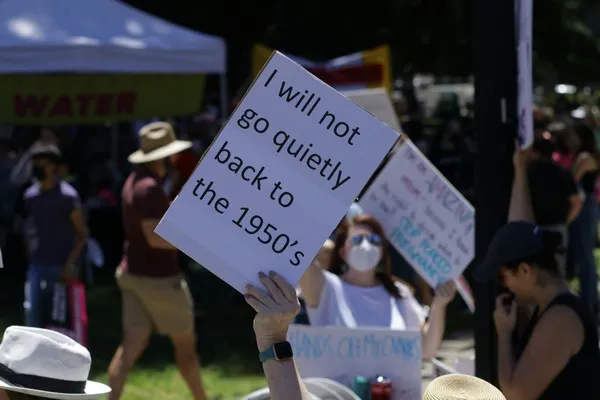
A feminist holding a placard saying 'i will not go back to the 1950's'.

Standpoint Feminism

Introduction Standpoint feminism is a critical perspective within feminist theory and sociological thought that emphasizes the importance of women’s social positions and lived experiences in the production of knowledge. It challenges dominant epistemologies that claim neutrality or universality, arguing instead…

Read MoreStandpoint Feminism
A feminist holding a placard saying 'i will not go back to the 1950's'.

Feminist Perspectives on Social Stratification: Gender, Power, and Inequality

Introduction Social stratification refers to the patterned and enduring inequalities that structure every society, sorting individuals and groups into hierarchical layers of advantage and disadvantage. Classical sociological theory traditionally emphasised class, status, and power as the main axes of stratification.…

Read MoreFeminist Perspectives on Social Stratification: Gender, Power, and Inequality
×