
culture

Culture is a central concept in sociology, encompassing the beliefs, behaviors, values, norms, symbols, and material objects shared by a group of people. It shapes how individuals perceive and interact with the world, influencing their identity, behavior, and social interactions. Culture is both a product of social processes and a force that shapes societal dynamics.

In sociology, the study of culture involves examining its components and their roles in society. This includes understanding cultural norms, which are the rules and expectations for behavior within a society, and values, which are the shared ideals and standards of what is considered good or desirable. Symbols and language are also crucial aspects of culture, serving as means of communication and shared understanding among members of a society.

Culture is not static; it evolves over time through processes such as innovation, diffusion, and cultural transmission. Sociologists explore how culture changes and adapts in response to internal and external influences, including technological advancements, globalization, and social movements. They also study subcultures and countercultures, which exist within larger cultures and often challenge dominant norms and values.

The relationship between culture and social structure is a key focus in sociology. Culture both influences and is influenced by social institutions like family, education, religion, and economy. By understanding this interplay, sociologists gain insights into how cultural practices and beliefs shape social inequalities, power dynamics, and social cohesion.

Analyzing culture helps us understand the diversity of human societies and the commonalities that bind people together. It is essential for addressing social issues, fostering intercultural understanding, and promoting social change. Through the lens of culture, sociologists can better comprehend the complexities of social life and the forces that shape our world.

child from india at a local parade

The Social Constructionist View of Culture: A Sociological Perspective

The social constructionist view of culture emphasizes the role of social interactions, language, and shared meanings in shaping our understanding of culture. This blog post explores the concept of social constructionism, the role of language and symbolic interaction, cultural relativism, and the implications of this perspective on society and human behavior.

Read MoreThe Social Constructionist View of Culture: A Sociological Perspective
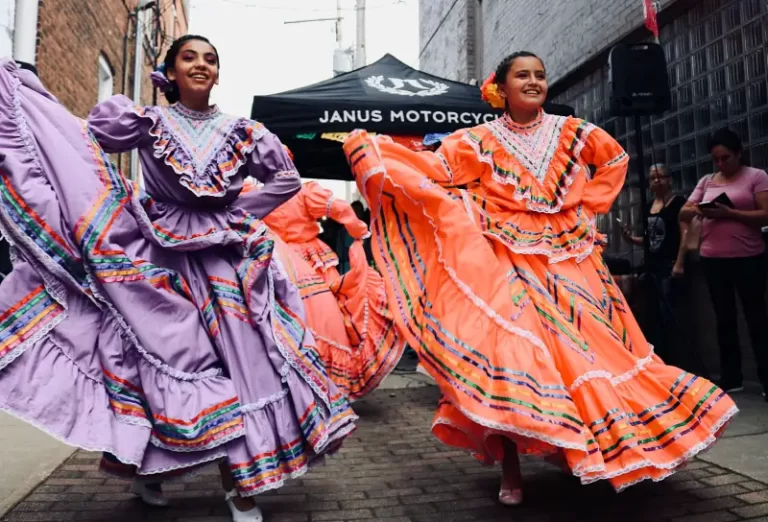
two women dancing in colourful cultural dress

The Feminist View of Culture: An Outline, Explanation, and Analysis

Explore the feminist view of culture and its implications for gender equality. Learn about key concepts such as gender as a social construct, power dynamics, and intersectionality. Understand the criticisms and debates surrounding the feminist perspective on culture. Discover how this perspective calls for cultural critique, media representation, education, and intersectional approaches to promote social change and advance gender equality.

Read MoreThe Feminist View of Culture: An Outline, Explanation, and Analysis
child from india at a local parade

Understanding Culture in Sociology

Explore the concept of culture in sociology and its components such as beliefs, values, norms, symbols, language, and artifacts. Learn about the functions of culture in society, including socialization, social cohesion, conflict resolution, adaptation, and expression of identity. Discover the perspective of cultural relativism and its importance in appreciating diversity. Understand how culture evolves and influences social change. Gain valuable insights into human behavior and societal dynamics through the study of culture in sociology.

Read MoreUnderstanding Culture in Sociology
×

