The Disability Movement: A Sociological Perspective

A disable man sat in a wheelcahir facing out into the road

The disability movement is a collective effort by individuals with disabilities to advocate for their rights and challenge social, political, and cultural barriers. This blog post explores the origins, goals, and impact of the disability movement, emphasizing the importance of inclusivity and equality for all. Learn more about the sociology of disability and the advancements in disability rights legislation. Join the movement for a more inclusive and just society.

Read NowThe Disability Movement: A Sociological Perspective

Bowles & Gintis’s Correspondence Theory

A student carrying education materials

Discover Bowles and Gintis's correspondence theory in sociology, explaining the close connection between the social relationships in the workplace and the educational system. Explore how this theory asserts that schools reproduce the labor power needed for capitalism, perpetuate hierarchical structures, and reinforce social inequalities. Critiques and the wider impact of this influential theory are also discussed.

Read NowBowles & Gintis’s Correspondence Theory

Parity of Esteem in Education: Academic and Vocational

A student in a education classroom standing up. Other students are sat down.

Learn about the concept of parity of esteem in education, which promotes fairness and equal recognition of different educational paths and qualifications. Explore how this concept challenges societal biases and creates a more inclusive and equitable educational system. Discover the importance of valuing vocational qualifications and providing equal opportunities for all students. Implementing parity of esteem requires a collective effort from policymakers, educators, employers, and society as a whole. Embrace the concept of parity of esteem to break down barriers and create a society where all educational choices are respected and valued.

Read NowParity of Esteem in Education: Academic and Vocational

Max Weber’s Views on Bureaucracy

A bureaucrat in a suit ready for bureaucracy

Max Weber's views on bureaucracy have had a significant impact on our understanding of organizational structures and their effects on society. This blog post explores the definition, characteristics, functions, and criticisms of bureaucracy. It discusses the hierarchical structure, division of labor, rules and procedures, impersonality, and merit-based selection as key characteristics of bureaucracy. The functions of bureaucracy, including efficiency, predictability, impartiality, and expertise, are also examined. Additionally, the post highlights the criticisms of bureaucracy, such as rigidity, bureaucratic red tape, alienation, and goal displacement. It concludes by emphasizing the impact and relevance of Weber's analysis in understanding modern organizations and the importance of studying bureaucracy in sociology, management, and organizational behavior.

Read NowMax Weber’s Views on Bureaucracy

The Impossibility of Perpetual Economic Growth: A Sociological Perspective

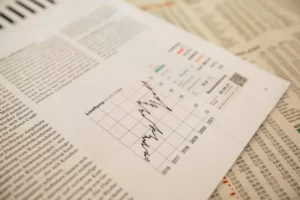
A graph showing perpetual economic growth

Explore the sociological perspective on perpetual economic growth and its implications. Learn about the finite nature of resources, social inequality, and the fallacy of endless consumption. Discover alternative measures of progress that prioritize sustainability and well-being. Adopt a holistic approach to development for a more equitable and environmentally conscious future.

Read NowThe Impossibility of Perpetual Economic Growth: A Sociological Perspective

The Positive Effects of Neoliberalism on Identity

a man in a blue shirt holding up a polaroid of himself in front of his face - identity

Neoliberalism, as an economic and political ideology, has had significant impacts on various aspects of society, including identity formation. This article outlines and explains the positive effects of neoliberalism on identity, such as empowerment, diversity and inclusion, entrepreneurial spirit, global connectivity, and personal development. By acknowledging these positive impacts while addressing potential negative consequences, we can create a society that fosters both individual identity development and the common good.

Read NowThe Positive Effects of Neoliberalism on Identity
×