Sociology of Social Movements

Looking to explore the dynamic world of social movements? Our comprehensive sociology category on social movements offers a deep dive into the various influential initiatives that have shaped society. From the civil rights movement to feminist movements, this category provides an insightful analysis of the ideologies, tactics, and impacts behind these transformative efforts.

Gain an in-depth understanding of the historical context, key players, and driving forces that have led to the emergence and evolution of social movements. Delve into the theoretical frameworks that sociologists employ to comprehend the complexities of collective action, social change, and resistance movements.

Explore the sociopolitical aspects of major social movements and discover their interconnections with broader societal issues such as inequality, justice, and power dynamics. Uncover the roles of both grassroots organizers and prominent figures in the progression of important movements throughout history.

Discover the ripple effects of social movements by examining the changes they have brought about in societal norms, policies, and institutions. Analyze the triumphs, setbacks, and ongoing struggles linked to social movements, shedding light on their long-lasting impact on our social fabric.

Whether you are an aspiring sociologist, an activist, or simply curious about the forces that shape our world, our sociology category on social movements is your gateway to understanding the collective power of individuals striving for profound social transformation. Start exploring today to discover the fascinating tapestry of social movements and their significant contributions to the world we live in.

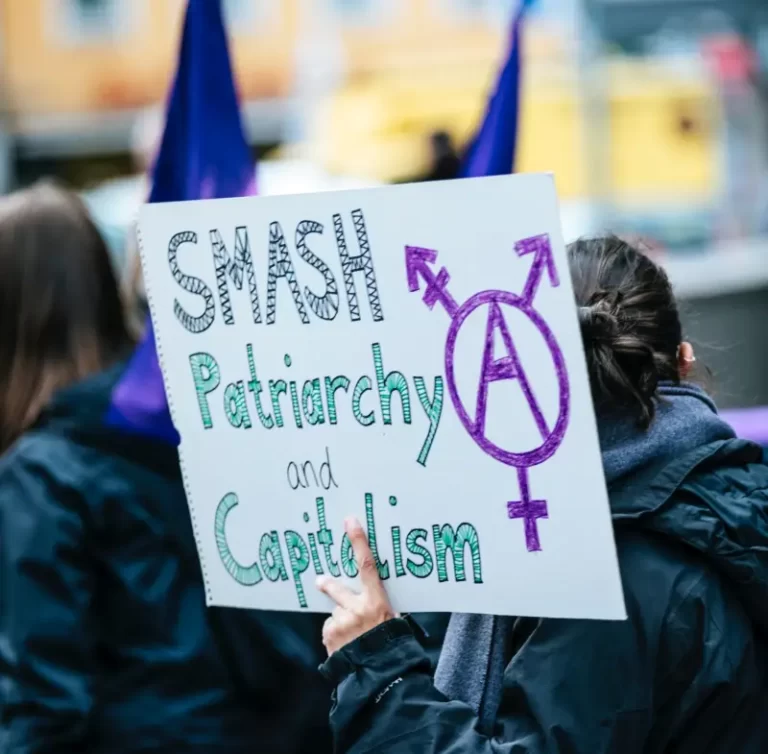
a protestor holding a placard saying 'smash the patriarchy and capitalism'

Demobilisation: Disengaging from Social and Political Movements

Demobilisation is the process of disengaging individuals or groups from social or political movements. Factors influencing demobilisation include success or failure, repression, co-optation, and internal conflict. Demobilisation can occur through individual disengagement, collective dissolution, repression, or co-optation. The consequences of demobilisation include loss of momentum, political apathy, repression and backlash, and fragmentation. Understanding demobilisation is crucial for sociologists studying collective action and social change.
Read MoreDemobilisation: Disengaging from Social and Political Movements
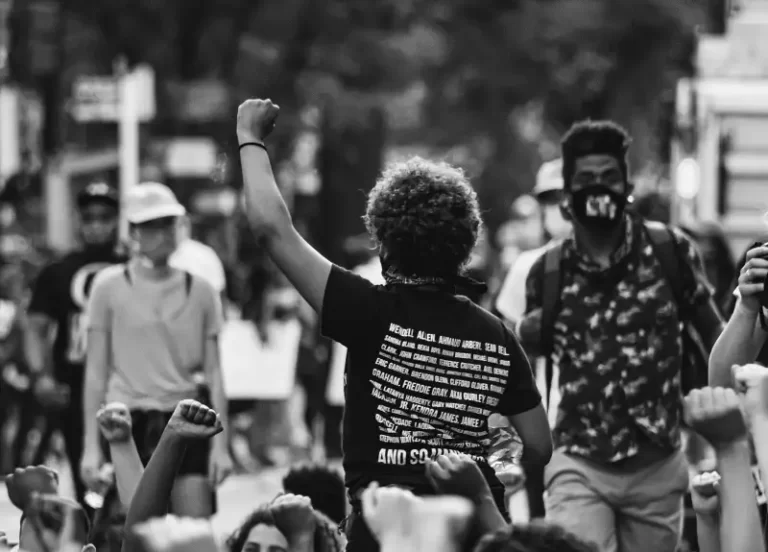
black and white rearview shot of revolution protestor raising fist in the air

The Power of Dissent: Challenging Norms and Driving Social Change

Learn about the concept of dissent in sociology, its significance, causes, and consequences. Dissent plays a crucial role in challenging prevailing norms, promoting social change, and fostering a more inclusive and democratic society. Explore the factors that contribute to dissent, such as injustice, political repression, social movements, and cultural shifts. Understand the consequences of dissent, including social change, repression, stigmatization, and solidarity. Discover how dissent amplifies marginalized voices, exposes social injustices, and advocates for alternative perspectives. Embrace dissent as a catalyst for progress and social transformation.

Read MoreThe Power of Dissent: Challenging Norms and Driving Social Change
A protest sign demanding the abolition of the police

Counter Movements: Challenging Dominant Ideologies and Power Structures

Counter movements in sociology play a crucial role in shaping the dynamics of social change and challenging the status quo. They often arise as a response to the perceived injustices or inequalities perpetuated by dominant social movements or ideologies. Counter movements can take various forms, ranging from grassroots organizations to large-scale protests or even online activism. Explore the causes, motivations, and examples of counter movements, and understand their impact and significance in shaping a more just and equitable society.

Read MoreCounter Movements: Challenging Dominant Ideologies and Power Structures
An incel hidden in shadow

The Incel Movement: An Outline and Explanation in Sociology

Learn about the Incel Movement, an online subculture of predominantly young men who identify as unable to find a romantic or sexual partner. Explore the origins, ideology, and impact of the Incel Movement from a sociological perspective. Discover how online communities play a role in the growth of this movement and the potential consequences it poses for society. Find out how addressing the Incel Movement requires a multi-faceted approach involving education, mental health support, and social change. Join the conversation to create a more inclusive and equitable society.

Read MoreThe Incel Movement: An Outline and Explanation in Sociology
A UK monarchy castle

The Movement to Abolish the UK Monarchy: An Overview

Learn about the movement to abolish the UK monarchy, its historical context, arguments, and potential implications. Explore the political, economic, and social factors behind the movement and the need for an alternative system of governance. Discover the potential impact on the country's national identity and symbols. Find out more about the ongoing evolution of societal values and aspirations in the United Kingdom.

Read MoreThe Movement to Abolish the UK Monarchy: An Overview
×