
A Silent Voice and A Sign of Affection: A Comparative Analysis
The anime "A Silent Voice" and the manga-turned-anime "A Sign of Affection" both explore themes of disability, specifically focusing on characters with hearing impairments.
Welcome to our Sociology of Media category, where we explore the fascinating intersection of society and media. We delve into the study of how media influences and shapes our thoughts, behaviors, and understanding of the world around us.
From television and radio to the internet and social media platforms, media has become an integral part of our lives. As society continues to evolve, it is crucial to understand the role media plays and its impact on various social aspects. This category provides a comprehensive exploration of the sociological aspects of media.
Our expert contributors analyze and unravel the complex web of media’s influence on culture, politics, gender, race, class, and various social institutions. By examining the dynamics between media and society, we gain deeper insights into the power dynamics that shape our cultural norms, values, and identities.
Through our articles, you will find thought-provoking discussions on media representation, media ownership, media effects, and media consumption, among others. We explore critical theories, such as agenda-setting, cultivation, and social construction of reality, that help us understand the influence media has on our perceptions and ideologies.
Whether you are a student, a researcher, or simply interested in understanding the world we live in, this category offers a wealth of knowledge and insights. Our content is designed to provide well-rounded perspectives and engage readers in meaningful discussions about the ever-evolving relationship between media and society.
Stay updated with the latest research, trends, and debates on the sociology of media. Explore our articles, engage in discussions, and broaden your understanding of the multifaceted connection between media and society.
The anime "A Silent Voice" and the manga-turned-anime "A Sign of Affection" both explore themes of disability, specifically focusing on characters with hearing impairments.

"A Silent Voice" (known in Japanese as "Koe no Katachi") is an anime that centers on the experiences of Shoko Nishimiya, a young girl who is deaf, and Shoya Ishida, a boy who bullies her during their school years and later seeks redemption.

Anime tourism, a niche yet burgeoning sector within the broader tourism industry, reflects the deep interplay between culture, media, and global mobility. This phenomenon involves fans traveling to locations associated with their favorite anime series or films, including real-world settings that inspired fictional locales or events like anime conventions. The rise of anime tourism highlights significant sociological themes such as identity formation, community building, commodification of culture, and the globalization of media.
Anime, a distinct style of Japanese animated media, has grown from its domestic roots to become a global cultural phenomenon. The international proliferation of anime can be traced back to the late 20th century, with pivotal series like "Dragon Ball," "Sailor Moon," and "Neon Genesis Evangelion" captivating audiences worldwide. This global spread has been facilitated by advancements in digital technology, making anime accessible through streaming platforms, fan subs (fan-created subtitles), and online communities. As anime has transcended national boundaries, it has fostered a diverse and devoted fanbase, integral to

The concept of guilds, historically rooted in the fabric of medieval European society, has found a contemporary iteration in the digital landscapes of video games

The lawsuit and subsequent settlement between Cassie Ventura and Sean "Diddy" Combs reveal significant sociological insights, particularly through the lens of symbolic interactionism. This theoretical perspective, which focuses on the meanings and symbols that individuals use to communicate and construct reality, is crucial for understanding how public perception and reputation are managed in high-profile cases of alleged abuse and misconduct.
Symbolic interactionism posits that people act based on the meanings they ascribe to things, events, and relationships. These meanings are derived from social interactions and are modified through an interpretive process. This theory, developed by sociologists like George Herbert Mead and Herbert Blumer, is especially relevant in analyzing how public figures manage their reputations in the media.
In the context of the Combs and Ventura case, public perception and reputation play pivotal roles. Both parties engaged in a form of impression management—a concept introduced by Erving Goffman, which refers to the efforts individuals make to control how others perceive them. This is particularly evident in the statements released by both Combs and Ventura, as well as

The recent upsurge in anti-tourist sentiment in media articles can be understood through the lens of neoliberalism and its influence on corporate media. Several sociological theories and concepts can help elucidate why a neoliberal corporate media would promote such narratives.
Neoliberalism, characterized by market-driven policies, deregulation, and privatization, significantly influences the corporate media landscape. Neoliberal corporate media operate primarily under profit motives, often aligning their content with the interests of corporate sponsors and advertisers. This alignment can shape media narratives in several ways:

“In This Corner of the World” is a critically acclaimed Japanese anime film set against the backdrop of World War II, providing a nuanced exploration of the human experience during wartime. The story follows Suzu Urano, a young woman who…

The exploration of friendship within the anime "Liz and the Blue Bird," directed by Naoko Yamada and based on a story from the "Sound! Euphonium" series, provides a nuanced canvas to analyze interpersonal relationships through a sociological lens.
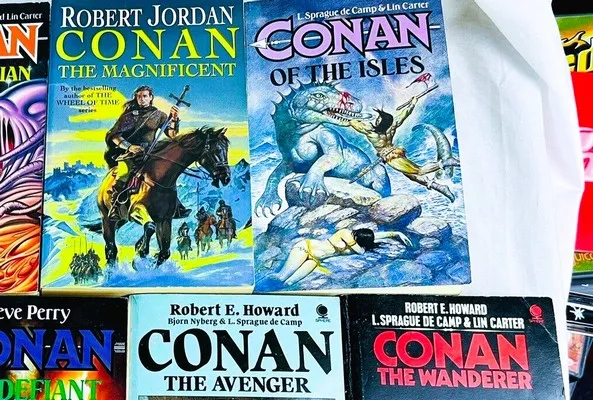
The "Conan the Barbarian" series, penned by Robert E. Howard in the early 20th century, serves as a rich text for examining representations of masculinity within popular culture.

Introduction “I Want to Eat Your Pancreas” (Kimi no Suizō o Tabetai) is an anime that explores profound themes of life, death, and the human experience through the lens of an unlikely friendship. At its core, the anime deals with…

