Easy Sociology

Easy Sociology

Easy Sociology is your go-to resource for clear, accessible, and expert sociological insights. With a foundation built on advanced sociological expertise and a commitment to making complex concepts understandable, Easy Sociology offers high-quality content tailored for students, educators, and enthusiasts. Trusted by readers worldwide, Easy Sociology bridges the gap between academic research and everyday understanding, providing reliable resources for exploring the social world.

The Significance of Educational Privatisation Policies

everyone-is-smiling-listens-group-people-business-conference-modern-classroom-daytime

Learn about the potential benefits and challenges of educational privatisation policies. Explore how privatisation can increase access to education, enhance the quality of education, and promote efficient resource allocation. Consider the importance of accountability and performance in private institutions. Discover the potential for diversification of education providers and the need for regulation and oversight. Find a balance between public and private involvement in education to ensure equity, accountability, and the overall well-being of students.

The Significance of Educational Marketisation Policies

everyone-is-smiling-listens-group-people-business-conference-modern-classroom-daytime

Educational marketisation policies aim to introduce competition and choice in the education sector to enhance efficiency and quality. They offer increased choice and diversity for students and parents, but also face challenges such as increased inequality and a narrow focus on standardized testing. This blog post explores the significance of marketisation policies and their potential impact on education, advocating for a balance between competition and collaboration to prioritize the best interests of students and their educational development.

The Significance of Educational Selection Policies

everyone-is-smiling-listens-group-people-business-conference-modern-classroom-daytime

Educational selection policies play a crucial role in promoting equality and fairness in access to education. These policies enhance academic standards and match students with appropriate programs. They also foster diversity and inclusion and ensure accountability and quality assurance in the education system. Learn more about the significance of educational selection policies in shaping the educational landscape and providing a quality education.

The Significance of Educational Policies and the Impact of Globalisation

everyone-is-smiling-listens-group-people-business-conference-modern-classroom-daytime

This blog post explores the significance of educational policies such as selection policies, marketisation, privatisation, and policies for equality of opportunity or outcome. It also delves into the impact of globalisation on educational policies, including standardisation, international collaboration, cultural diversity, and technological advancements. Understanding these policies and their impact is crucial for creating an inclusive and effective education system in a globalized world.

The Marxist View of Religion

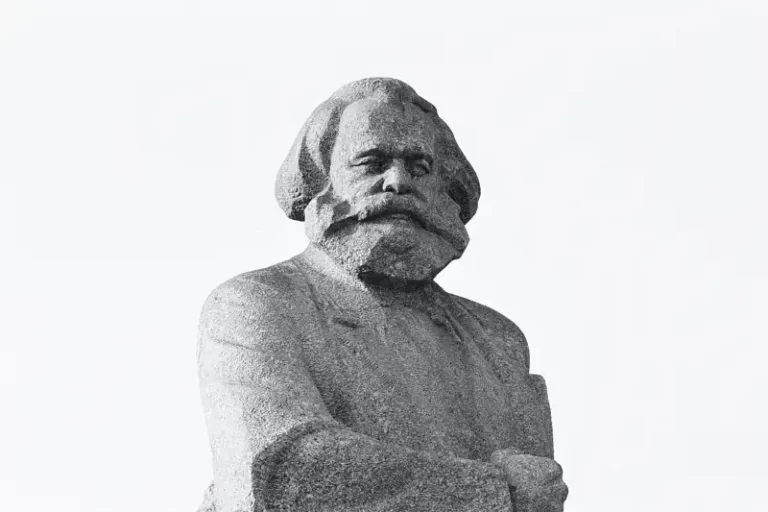
a statue of karl marx on a white background

Explore the Marxist view of religion and its implications. Learn how religion functions as a tool of social control, perpetuating false consciousness and preventing the working class from recognizing their true social and economic interests. Understand the relationship between religion, power, and class dynamics in society.

The Marxist View of the Media

a statue of karl marx on a white background

In the study of media within sociology, various theories and perspectives explore how media influences society and shapes public consciousness. The Marxist perspective offers a critical viewpoint, highlighting how media serves as a tool for social control, reinforcing class structures…

The Marxist View of Education

a statue of karl marx on a white background

This blog post explores the Marxist view of education in a capitalist society. It discusses how education serves the interests of the ruling class, reproduces class divisions, legitimizes inequality, and acts as a mechanism of social control. The concept of the hidden curriculum is explained, highlighting its role in preparing students for their future roles as workers. The commodification of education and its impact on social inequalities are also discussed. The challenges in transforming the education system and some alternatives proposed by Marxists are presented. Understanding the Marxist perspective on education can contribute to a more comprehensive understanding of the complexities of the education system in a capitalist society.

×