
Economic Sociology: An Overview
Economic sociology is a subfield of sociology that analyzes economic phenomena through a sociological lens, emphasizing the interplay between economic activities and social structures, institutions, and relationships.
Explore the pervasive issue of economic inequality and its far-reaching consequences with our comprehensive collection on the sociology of economic inequality. Gain a deeper understanding of the social, economic, and political factors that contribute to unequal distribution of wealth, opportunities, and resources.
Delve into the theories, research, and case studies that dissect the causes and impacts of economic inequality on individuals, communities, and societies at large. Uncover the sociological perspectives on social class, poverty, and social mobility, and explore the intersections of inequality with other social categories such as race, gender, and education.
Our platform offers a diverse range of resources, including articles, books, and studies, that delve into the sociological dimensions of economic inequality. Uncover the root causes of inequality, including systemic factors such as neoliberal policies, globalization, and technological transformation,
Economic sociology is a subfield of sociology that analyzes economic phenomena through a sociological lens, emphasizing the interplay between economic activities and social structures, institutions, and relationships.

Learn about structural inequality, its causes, consequences, and ways to address it. Explore the role of social structures in perpetuating inequality and the impact on individuals and society. Find out how economic, social, cultural, and political factors contribute to structural inequality and discover strategies such as policy reform, education, promoting diversity, and grassroots movements to tackle this issue.

Social unrest refers to a state of dissatisfaction, tension, and agitation within a society. This article outlines and explains some of the key causes of social unrest, including economic inequality, political oppression, social and ethnic discrimination, unemployment, and political corruption. Understanding these causes is crucial for sociologists and policymakers to develop effective strategies for social change and stability.

The 2008 financial crisis, also known as the global financial crisis, was a severe worldwide economic event that had far-reaching consequences. This blog post explores the causes of the crisis, its impact and consequences, as well as the lessons learned and reforms implemented. Discover how the crisis led to bank failures, stock market crashes, and a global recession. Learn about the importance of financial regulation, stress testing, consumer protection, international cooperation, and increased capital requirements. Find out how the lessons learned from this crisis continue to shape financial policies and practices to create a more stable and resilient global financial system.
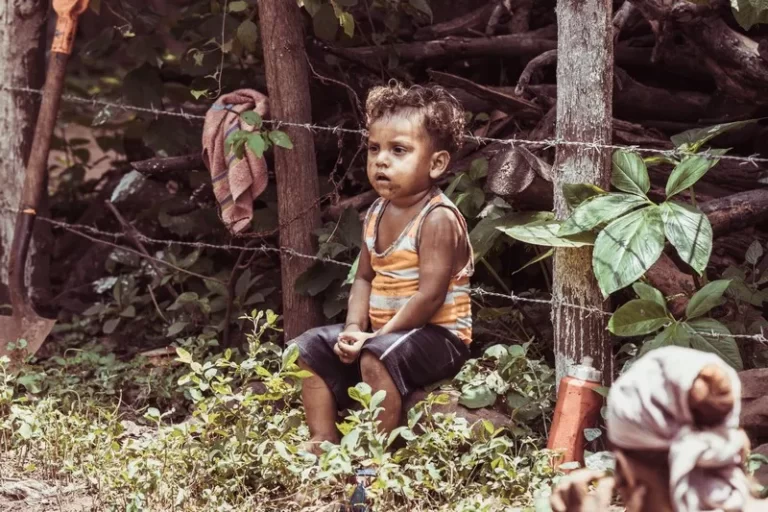
Learn about the structural causes of poverty and how they contribute to the perpetuation of this social issue. Discover the key factors such as economic inequality, discrimination, and social exclusion. Find out the implications of these causes and explore potential solutions to alleviate poverty and create a more equitable society.

Neoliberalism is a term frequently used in political, economic, and sociological discourse to describe a set of policies, ideologies, and practices that have come to dominate global governance and societal organization since the late 20th century. While its precise definition…
Social stratification is a fundamental concept in sociology that refers to the division of society into different hierarchical layers or strata based on various social factors. This blog post explores the basis of social stratification, types of social stratification, impacts of social stratification, and the relationship between social stratification and social change. Understanding social stratification is crucial for analyzing and addressing social disparities and working towards a more just and inclusive society.