Easy Sociology

Easy Sociology

Easy Sociology is your go-to resource for clear, accessible, and expert sociological insights. With a foundation built on advanced sociological expertise and a commitment to making complex concepts understandable, Easy Sociology offers high-quality content tailored for students, educators, and enthusiasts. Trusted by readers worldwide, Easy Sociology bridges the gap between academic research and everyday understanding, providing reliable resources for exploring the social world.

Sociologically Defining Fascism

an anti fascist flag

Learn about the origins and key characteristics of fascism, a sociopolitical ideology characterized by authoritarianism, nationalism, and the suppression of individual liberties. Discover the sociological impact of fascism on societies and the importance of understanding its dangers to prevent its resurgence. Explore the role of propaganda and mass mobilization in fascist regimes and the connection to racism and social Darwinism. Gain insights into how fascism thrives in times of social and economic crises and the significance of creating inclusive and tolerant societies.

The Manifestation of Primary Socialisation in Primary Education

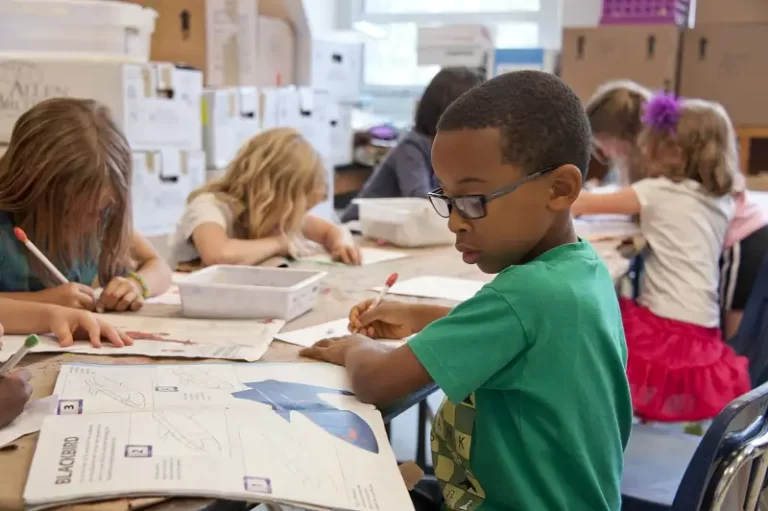
children sat around a table in primary school

Primary socialisation plays a crucial role in shaping a child's development and understanding of the world around them. Primary education reinforces and expands upon these foundational social skills and knowledge. Through structured learning environments, collaborative activities, and cultural celebrations, children learn communication, cooperation, empathy, and respect for authority. Teachers also support emotional well-being and moral values, teaching children to manage emotions, make ethical choices, and treat others with kindness and respect. Primary education plays a vital role in shaping children's social development and preparing them for their future roles as active and engaged members of society.

The Role of Media in Primary Socialisation

somebody holding a phone with social media apps

Learn how the media influences primary socialisation and its impact on children. Discover the role of role models, cultural awareness, and educational content in shaping children's understanding of society. Develop media literacy skills and promote critical thinking in children. Find out how media can influence behavior and attitudes. Get tips for responsible and active involvement in guiding children's media consumption.

Sociologically Defining Communism

hammer and sickle flags flying at a communist rally

This blog post explores the sociological aspects of communism, including its key principles such as a classless society and collective ownership. It also discusses the sociological impact of communism on equality, state control, economic redistribution, and social solidarity. Gain a deeper understanding of the strengths and weaknesses of communism from a sociological perspective.

The Role of Families in Primary Socialisation

A family standing in the street

Primary socialisation is the process through which individuals learn the basic norms, values, and behaviors of their society. This blog post explores the importance of family in primary socialisation, including the transmission of cultural values, role modeling, emotional development, and the development of social skills. Understanding the impact of families on individuals and society as a whole is crucial in understanding the dynamics of social development.

A Summary of Michel Foucault’s History of Sexuality

Michel Foucault

Michel Foucault’s seminal work, "The History of Sexuality," is a multi-volume analysis that deconstructs the historical development of human sexuality and the power structures intertwined with it. Foucault, a French philosopher and social theorist, is renowned for his explorations of power, knowledge, and discourse. In "The History of Sexuality," he challenges conventional understandings of sexuality, arguing that it is not a natural given but a complex social construct shaped by power dynamics. This summary will focus on the main arguments presented in the first volume, "An Introduction," also known as "The Will to Knowledge."

Sociological Benefits of Living in the USA

the US flag

Living in the United States of America offers numerous sociological advantages that contribute to a high quality of life and opportunities for personal growth. From its diverse population to its strong social institutions, the USA provides a supportive environment for individuals to thrive. Explore the cultural diversity, economic opportunities, access to quality education, strong social institutions, freedom and individual rights, and social mobility and equality of opportunity in the USA.

×